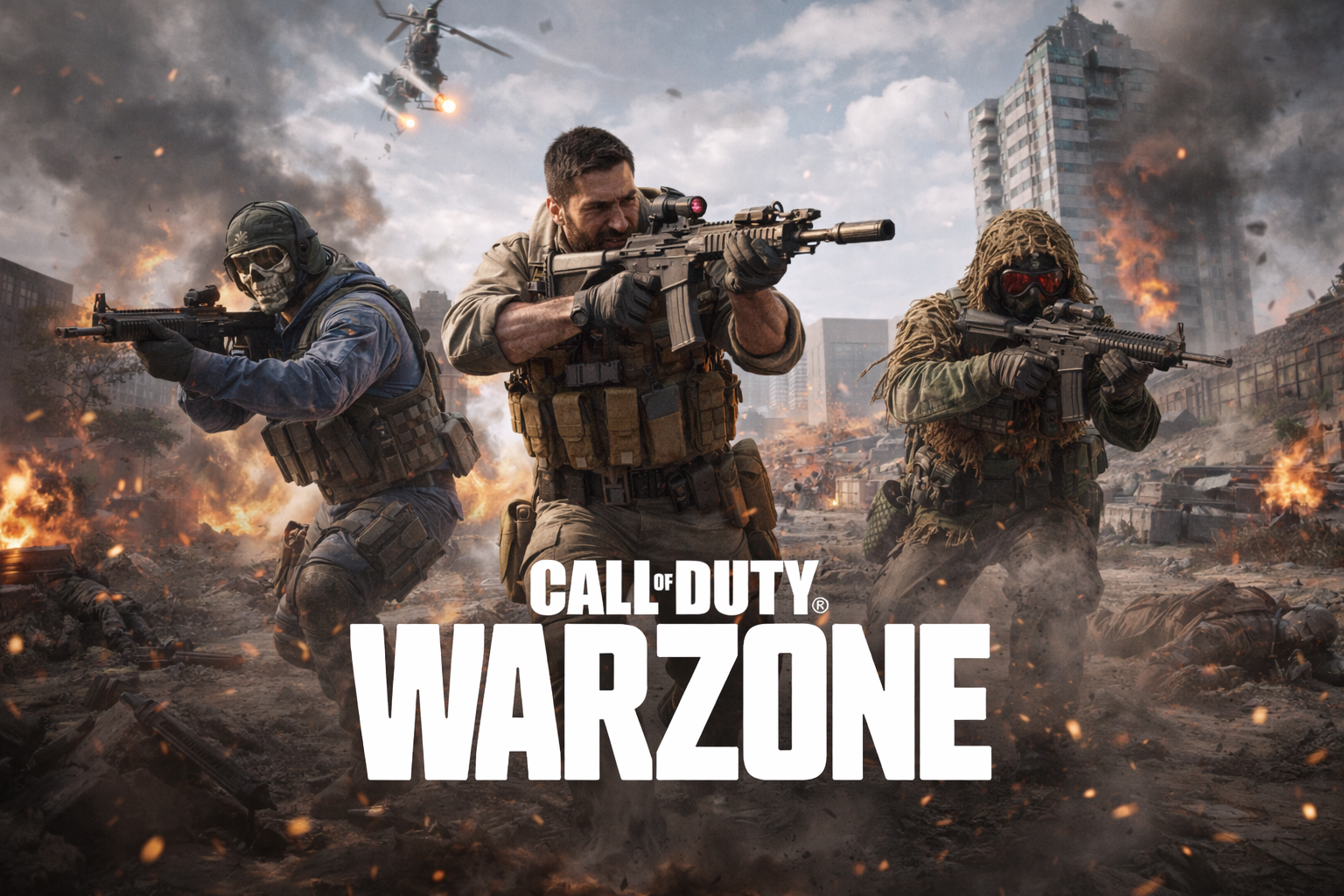
In Call of Duty: Warzone, operator skins are often seen as cosmetic flair — a way to stand out in pre-game lobbies or flex limited-time bundles. But over multiple seasons and map rotations, skins have quietly influenced how players experience visibility, immersion, and even perceived advantage. While they don’t change hitboxes or weapon damage, they absolutely affect how easily a character blends into certain environments. In a game where milliseconds and visual clarity decide gunfights, that distinction matters more than many players realize.
Warzone’s maps — from urban high-rises to desert outskirts and shadow-heavy interiors — create dramatically different lighting conditions. Skins interact with these environments in subtle ways. Darker tactical outfits may reduce visual contrast in interior stairwells, while brighter or animated skins stand out in open terrain. Beyond camouflage, operator skins also shape psychological identity. Players often perform differently when they feel confident in their visual presentation. Whether that confidence comes from rarity, aesthetics, or immersion, it contributes to overall gameplay experience in ways that go beyond simple cosmetics.
Visual Design and Environmental Adaptation
Operator skins vary widely in color palettes, material textures, and visual complexity. Some designs emphasize realistic tactical gear, muted tones, and grounded military aesthetics. Others lean into stylized or reactive themes, incorporating glowing accents, animated elements, or crossover branding. The way these skins interact with environmental lighting is significant. In darker interiors, high-contrast skins can unintentionally create visual outlines that are easier for opponents to track. Meanwhile, low-saturation outfits often blend more seamlessly into common combat zones like warehouses or alleyways.
Environmental adaptation also depends on map rotation and mode selection. Large-scale battle royale spaces often feature mixed terrain — sand, concrete, vegetation, and shadow. A skin that blends well in desert terrain may contrast sharply against snowy or urban settings. Players who think critically about their cosmetic choices sometimes rotate skins depending on map conditions. This isn’t about exploiting mechanics; it’s about understanding visibility dynamics. Subtle differences in tone and reflectivity can influence how quickly an opponent recognizes movement, especially during mid-range engagements where visual processing time matters.
Rarity, Limited Bundles, and Player Identity
One of the defining elements of Warzone’s operator ecosystem is the presence of limited-time bundles and event-exclusive skins. Seasonal battle passes frequently introduce themed operators that become unavailable once the season concludes. This time-based exclusivity gives certain skins long-term prestige. When players encounter a rare skin from an earlier season, it signals experience and commitment. The value isn’t gameplay advantage — it’s cultural recognition within the community.
Player identity is closely tied to cosmetic choice. Some players prefer grounded, realistic operators that align with the franchise’s military roots. Others gravitate toward bold crossover skins or reactive designs that evolve with kills. These choices communicate playstyle preferences, aesthetic taste, and even competitive mindset. In squad environments, coordinated skins sometimes enhance team presence visually, creating a unified appearance. While purely cosmetic, this cohesion can subtly reinforce teamwork psychology and presence during engagements.
Popular Operator Skin Categories
-
Tactical realism skins with muted, military-inspired gear
-
Reactive skins that change appearance based on eliminations
-
Crossover skins from entertainment or pop culture collaborations
-
Seasonal event skins tied to holiday or limited-time modes
-
High-visibility animated skins with glowing or particle effects
Competitive Considerations and Visibility Debates
Throughout Warzone’s lifespan, community discussions have frequently focused on visibility balance. Certain darker skins have been criticized in the past for blending too effectively into shadows, especially before lighting adjustments and graphical updates. Developers have since implemented visual tuning to maintain fairness across cosmetic options. While no skin officially alters gameplay mechanics, visual perception remains a topic of debate among competitive players.
In high-level play, many competitors prioritize clarity over flashiness. Overly animated skins may draw unwanted attention in intense endgame circles where concealment matters. Conversely, simpler, darker outfits often provide a more understated presence. However, player movement and positioning consistently outweigh cosmetic influence. Skilled opponents track motion cues, sound, and minimap information more than static coloration. Ultimately, while operator skins can influence first-glance recognition, they do not replace strategic fundamentals such as cover usage and map awareness.
Choosing the Right Skin for Your Playstyle
Selecting an operator skin often comes down to personal preference, but thoughtful players consider practical alignment with their playstyle. Aggressive players who push close-quarters fights may not benefit from high-contrast glowing skins that announce their presence during building clears. On the other hand, players who favor fast-paced engagements may value expressive skins that reflect momentum and confidence. The key lies in balancing aesthetic enjoyment with environmental awareness.
It’s also worth considering comfort and familiarity. Many players perform best when using a consistent visual setup. Sticking to one or two preferred operators builds visual consistency during high-pressure moments. Constantly rotating flashy skins can feel refreshing, but it may also disrupt muscle memory linked to character animations and weapon handling perception. While subtle, these psychological factors contribute to overall in-game rhythm and decision-making confidence.
Key Factors to Evaluate Before Equipping a Skin
-
Environmental contrast with common combat zones
-
Level of animation or glowing visual effects
-
Rarity and seasonal exclusivity
-
Personal immersion and confidence boost
-
Squad coordination or thematic alignment
Final Thoughts: Identity, Visibility, and Competitive Balance
Operator skins in Warzone represent more than cosmetic decoration; they are part of the game’s evolving identity system. They reflect seasonal narratives, collaborative events, and the community’s shifting aesthetic preferences. While they do not alter weapon stats or hitboxes, they influence perception, immersion, and self-expression. Understanding how visual design interacts with environment and psychology allows players to make more intentional choices rather than impulsive ones.
In the end, the best operator skin is one that supports your comfort, matches your environment, and reinforces your identity without compromising visibility. Warzone remains a skill-driven battle royale at its core, but cosmetics add texture to that competitive landscape. When chosen thoughtfully, operator skins become an extension of strategy — subtle, personal, and impactful in ways that go beyond surface appearance.