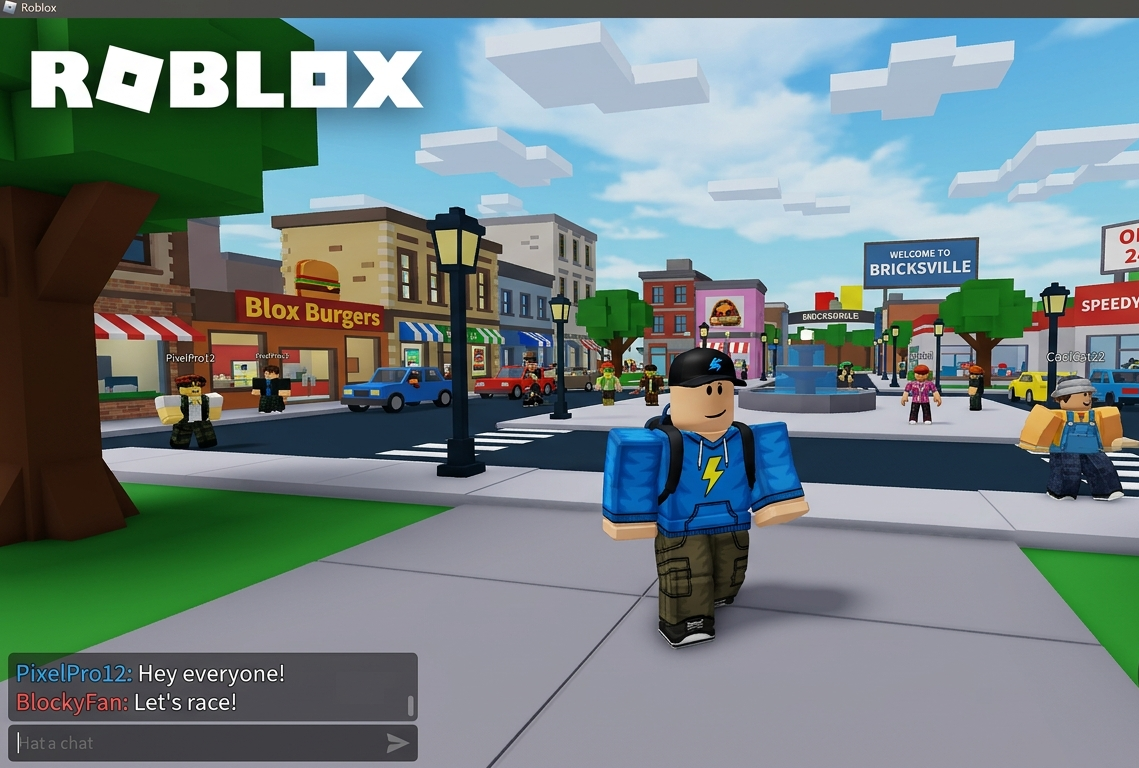
Scroll through Roblox and you’ll see everything from massive, complex worlds to tiny, straightforward experiences. It’s easy to assume the bigger, more detailed games should always perform better. But if you look closely, many simple games quietly attract consistent players—and over time, that steady engagement can translate into Robux through in-game systems like game passes, developer products, or group payouts.
So why do simpler games often outperform complex ones when it comes to long-term, sustainable growth? Let’s break it down.
Easy to Start, Easy to Stay
The first few minutes of any game matter. Simple games remove friction right away.
- Clear objective from the start
- Minimal instructions needed
- Fast entry into gameplay
When players don’t have to figure things out, they start playing immediately. That quick start lowers drop-off and increases the chances they’ll stick around. And the longer players stay, the more likely they are to engage with optional features that support Robux earnings.
Short Sessions Fit Real Life
Not everyone has hours to play. Simple games usually work well in short bursts—5, 10, or 15 minutes.
That flexibility matters:
- Players can jump in during breaks
- They don’t feel locked into long sessions
- They’re more likely to return later
Frequent, short sessions build habit. And consistent return behavior is one of the biggest drivers of steady engagement over time.
Clear Loops Keep Players Engaged
Simple games often rely on a strong core loop—do something, get a reward, repeat.
- Tap, collect, upgrade
- Complete a small challenge
- See immediate progress
These loops are easy to understand and satisfying to repeat. Players don’t need to learn complex systems—they just play. Over time, those repeated actions create familiarity and momentum, which keeps players coming back.
Lower Learning Curve, Wider Audience
Complex games can be impressive, but they often come with a steep learning curve.
Simple games, on the other hand:
- Welcome beginners
- Don’t require prior experience
- Appeal to a broader age range
A wider audience means more potential players. And more players mean more opportunities for engagement, feedback, and gradual growth.
Faster Feedback = Stronger Motivation
In simple games, results are immediate.
- You complete a task and see the reward
- You upgrade something and feel the difference
- You improve quickly with each attempt
That fast feedback builds motivation. Players feel like their time is valued, even in short sessions.
When players feel progress quickly, they’re more likely to continue—and that consistency is what supports long-term performance.
Easier to Update and Improve
Smaller, simpler games are easier to maintain.
- Quicker updates
- Faster bug fixes
- More frequent tweaks based on feedback
This agility matters. When creators can respond quickly, the game stays fresh without overwhelming players. Even small updates—like a new level or a minor feature—can bring players back and keep the experience evolving.
Monetization Feels More Natural
In simple games, optional purchases often feel like enhancements rather than requirements.
- Small boosts or quality-of-life upgrades
- Cosmetic items or minor advantages
- Optional features that don’t block progress
When players enjoy the base experience, they’re more open to supporting it. The key is that these options remain optional and fair.
Over time, consistent engagement combined with optional purchases can contribute to steady Robux growth—without relying on unrealistic promises.
Less Friction, More Retention
Every extra step in a game—complex menus, confusing systems, unclear goals—adds friction.
Simple games reduce that friction:
- Fewer decisions to make
- Cleaner interface
- Straightforward progression
Lower friction means fewer reasons to leave. And retention is one of the most important factors for long-term success.
Repeatability Drives Longevity
Simple games are often highly repeatable.
- Easy to replay without preparation
- No need to relearn mechanics
- Familiar patterns that feel comfortable
This repeatability creates a loop of return behavior. Players don’t feel pressure—they just come back because it’s easy and enjoyable.
Over weeks or months, that repeat engagement adds up.
Creativity Within Constraints
Simplicity doesn’t mean lack of creativity. In fact, constraints often lead to smarter design.
- Focus on one strong idea
- Polish a single core mechanic
- Build around what works
Instead of trying to do everything, simple games do one thing well. That clarity makes the experience stronger and more memorable.
Why Bigger Isn’t Always Better
Large, complex games can struggle with:
- Long development time
- High expectations
- Difficulty keeping players engaged early
If the first experience isn’t smooth, players may leave before seeing the full depth of the game. Simple games avoid this problem by delivering value immediately.
Building Momentum Over Time
Success on Roblox often comes from momentum, not a single breakthrough.
Simple games are well-suited for this:
- They launch faster
- They improve gradually
- They grow through consistent engagement
Instead of chasing instant success, they build a steady foundation. And over time, that foundation can support meaningful growth.
Final Thoughts
Simple Roblox games succeed not because they do more, but because they do the right things well. They reduce friction, welcome players quickly, and create experiences that are easy to return to again and again.
When players enjoy the game, stay engaged, and come back consistently, opportunities for Robux growth naturally follow through built-in systems like game passes and developer products. In the end, it’s not about complexity—it’s about clarity, consistency, and creating something players genuinely enjoy spending time with.